


Choosing the right camera bag is not such an easy thing. Especially when there are so many different styles to choose from like sling bags, shoulder bags, back packs, and messenger bags to name a few. Some designs, like sling bags, even allow you to quickly remove your camera from the bag without having to take it off of your shoulder. This being one of the latest trends in bags.
In this post I am going to try and cover some of the most important points about choosing a camera bag to help guide you in selecting one that is right for you. The truth though is there really is no one perfect bag for every type of shooting and most photographers, myself included, end up with several different bags, each for a different type of usage.
 Domke Shoulder Bag
So before choosing a bag, think about the type of photography you do. If, for example, you’re a landscape photographer then a backpack may be the best choice for you. If travel photography is your thing then you’ll want a smaller sling bag that you can transport as hand luggage. You may also want it to be able to carry your laptop or tablet inside. If you need to travel with a bigger bag to hold a lot of equipment, then you might want to also pack a smaller shoulder type camera bag to use once you get to your shooting destination.
The 6 main types of bags you will want to consider are as follows:
1 – Slings – Allow you to carry all of the weight on one shoulder, and are typically designed so the opening is on the side, allowing you to swing it around your body to quickly access your gear without taking the bag off your shoulder. The negative though is if the bag is quite heavy then it is a lot of weight for one shoulder and the weight won’t be distributed across two shoulders like with a backpack.

Think Tank Sling Bag
2 – Shoulder Bags – Are great because they allow you easy access to your equipment without having to change the position of your bag and usually only require you to open the top flap to quickly grab your camera. They are great for taking on short journeys, but are also like a sling in where they place all the weight on one shoulder. So you might find yourself having to switch shoulders often if you have a heavy shoulder bag.
 Crumpler Shoulder Bag
3 – Messenger Bags – These are like shoulder bags, but only thinner, and are usually worn diagonally across the body, either in the front or back. There’s usually less padding and their lack of depth and width makes big cameras problematic for a messenger bag. So they are good really for a short outing when carrying only a small amount of gear.
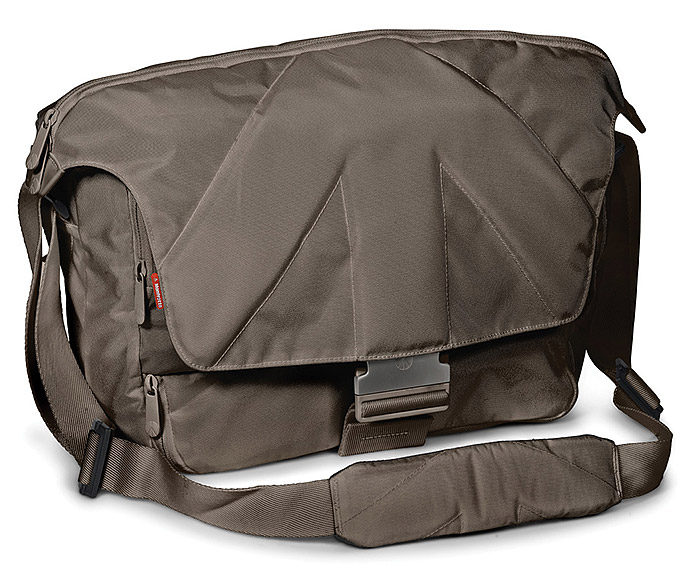 Manfrotto Messenger Bag
4 – Backpacks – Generally are good for everything. They spread the weight of a heavy load across your back and both shoulders, making them great for weighty equipment. Many now also come with a built-in tripod holder too. The downside is that you normally have to take the backpack off and lay it down on a flat surface to pull out your camera. So they are not quickly accessible like slings and shoulder bags.
 Lowepro Backpack
5 – Rolling Cases – Some large camera bags come with built-in wheels and a handle, and look a bit like airport luggage. Great for transporting heavier gear. But these are aimed more at getting your gear from point A to point B rather than for using during an actual shoot. Sometimes they also lack enough protection though if they take a hard bang so they aren’t so great to use in my opinion.
 Lowepro Rolling Case
6 – Hard Cases – Normally the ultimate in camera protection and made from aluminum or plastic resin. Inside you will find either a set of dividers, or a block of foam diced into cubes, which you can then customize the layout of to match your needs. They’re designed for transport and offer maximum protection. Some, such as the Pelican brand, are waterproof and virtually indestructible.
 Pelican Hard Case
Now, once you’ve chosen the right type and size of a bag for your needs, then the rest comes down to personal taste. Here are some of the additional factors you may want to consider:
Materials – The best bags are made from a variety of materials. Canvas, cotton, leather, and ballistic nylon are the main types. Ballistic nylon is one of the most favored materials though because it is lighter, more water resistant, doesn’t absorb dirt as much as natural fibers do, and is the easiest to clean.
Protection – The more padding a bag has, the more protection it offers, but that may also add more weight. But I am a believer that the more padding you have then the better the bag will be in protecting your equipment. A bag’s water-resistance is also very important. Look out for exposed zippers where water can leak through or flaps that don’t offer good, secure closures. Some bags come with a waterproof cover, like a big shower cap, which you can pull over the bag if it rains. So the waterproof cover is a very handy way to avoid water from getting in if the bag itself isn’t fully waterproof.
Capacity – The question is how much space inside a bag do you need? You also may have lots of gear, but do you need to carry all of it with you at all times? The type of photography you do will dictate the size of the bag you need. The more gear you have then obviously the bigger and heavier your bag will get. So if you don’t need to pack so much gear you can often get away with a smaller, lighter bag.
Comfort – An uncomfortable bag will reduce your desire to continue to take pictures for long periods of time. So avoid a bag that sits too low on your body, a strap that digs into your torso, or a harness that cuts into your back. The key is to try out the bag you plan to buy before buying it, ideally with some weight inside of it to determine how it feels on your body first and avoid possible discomfort later.
That covers the main points to consider in choosing the right camera bag. Some of the quality brands you may want to consider are Lowepro, Crumpler, Domke, Think Tank, Billingham, etc. I hope this information is helpful and if you have more questions about camera bags please feel free to post them below.
Hi Mark, Brilliant! That was like going to the doctor and finding out what is wrong! At the second to last paragraph the penny dropped for me:-) I realised all my bags are way past their sell-by-date and are a pain to use. I use a 15 year-old Lowepro backpack (giant) when I take my F2 (and now also the Mamiya) out, but it’s straps are worn and cut in and it’s a struggle to get it on (and off). Also the zip jams. Sometimes I’ll see a shot but can’t be bothered to wrench it off my back and go through all the palaver! I also have a smaller Lowepro backpack, but it’s just too small to get much kit in. Time for a new bag:-)
Thank you Martin. It does sound like a new camera bag might improve your portability and comfort. Perhaps you should take a look at either a Crumpler shoulder bag or a Think Tank sling bag. It sounds like either one of these would serve you well depending on what type of bag style you prefer. Lowepro also makes sling bags, and I have one myself that I am not so fond of, but the newer sling bag designs from Think Tank look like they will give you much easier and better access to your kit than the Lowepro designs in my opinion.